
Views: 0 Author: Site Editor Publish Time: 2026-07-27 Origin: Site


Fabricators face escalating demands for tight tolerances, complex geometries, and high-quality edge finishes. Moving large glass sheets between cutting tables, drill presses, and edging machines increases the risk of breakage and slows down cycle times. You battle labor bottlenecks, high scrap rates, and excessive material handling across separate pre-treatment machines.
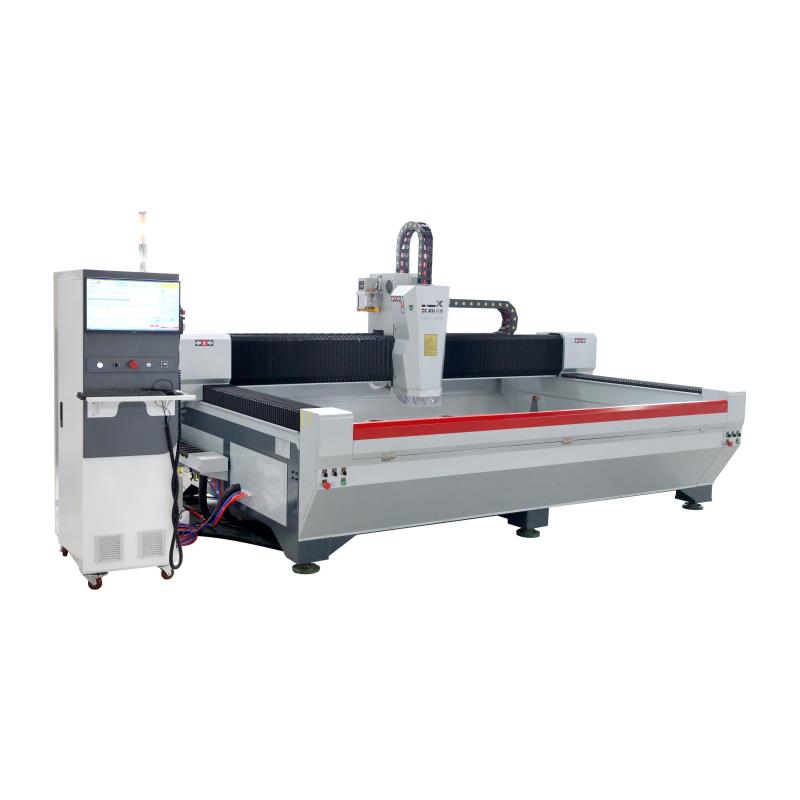
The transition from fragmented, multi-machine glass fabrication to consolidated, high-precision processing using a modern horizontal CNC Machining Center solves these core business problems. A horizontal platform integrates multiple operations into a single setup. We will break down the mechanics of horizontal glass processing, application-specific capabilities, and the critical criteria for evaluating this equipment on your production floor. You need equipment that handles heavy architectural panels and delicate smart mirrors without bottlenecking your labor force. This guide provides the technical specifications and operational realities you need to integrate a horizontal machining center effectively.
Horizontal CNC platforms consolidate traditional glass pre-treatment stages—including scoring, cutting, edging, drilling, milling, engraving, and polishing—into a single seamless setup, drastically reducing handling risks and cycle times.
Advanced systems utilize real-time automated adjustments to cut depth and spindle pressure, mitigating material stress and preventing micro-fractures during heavy machining of both straight and shaped glass.
Machine configuration must align with specific production outputs, requiring different spindle, vacuum, and tooling setups for architectural glass versus delicate smart mirror production.
The operational capabilities of a CNC glass machining center depend heavily on its axis configuration. A 3-axis machine moves along the X, Y, and Z planes. You use this setup for processing straight edges, simple cutouts, and standard drilling operations on flat glass. Upgrading to a 4-axis or 5-axis system introduces rotational movement. The spindle can tilt and rotate around the workpiece. You need this capability for processing complex, freeform shaped glass contours, intricate bevels, and angled edge profiles that a standard 3-axis machine cannot reach.
High-torque, water-cooled electro-spindles power these movements. Engineers design these spindles specifically to withstand the unique challenges of glass fabrication. Glass is dense and brittle. It produces highly abrasive dust during machining. The spindles must maintain precise RPMs under heavy loads. They must resist the ingress of abrasive particles and manage the heat generated by friction. Standard woodworking or metalworking spindles will fail quickly in a glass processing environment. You need spindles rated between 15kW and 30kW, utilizing HSK 63 or ISO 40 tool holders for maximum rigidity during heavy routing.
Axis Configuration | Primary Movement | Best Suited Applications | Limitations |
|---|---|---|---|
3-Axis | X, Y, Z linear movement | Straight edging, simple drilling, flat routing | Cannot perform angled bevels or complex 3D edge profiles |
4-Axis | X, Y, Z + C-axis rotation | Using aggregate heads for side milling, cup wheel edging | Limited tilt capabilities for steep bevels |
5-Axis | X, Y, Z + A/B tilt and rotation | Complex freeform shapes, variable angle beveling, 3D engraving | Requires advanced CAM software and higher operator skill |
Efficiency in a horizontal processing center relies on Automatic Tool Changers (ATC). These systems feature rapid-indexing tool carousels that store various diamond and polishing tools. The ATC allows the machine to switch between different operations without operator intervention. This drastically reduces setup times and maintains continuous production flow across a shift.
During a single cycle, the machine transitions seamlessly between diamond core drills for hole making, milling routers for internal cutouts, scoring wheels for precise sizing, engraving bits for surface decoration, and polishing wheels for final edge finishing. This multi-function integration eliminates the need to move the glass between different workstations. You minimize handling errors and accelerate cycle times. A standard rotary ATC holds 10 to 20 tools, while linear tool racks positioned at the back of the machine bed can hold up to 40 tools for high-mix production environments.
Securing the glass during aggressive machining is critical. Horizontal aluminum beds utilize dynamic suction cup placement and auto-positioning laser guides to hold the workpiece firmly. Operators configure the suction cups to match the specific shape and size of the glass panel. You must ensure optimal support directly under the toolpath to prevent deflection.
Vacuum zoning and high-capacity liquid-ring vacuum pumps provide the necessary holding force. This robust vacuum system prevents workpiece shifting and micro-vibrations during heavy edge grinding, chamfering, and surface engraving. Any movement during these operations results in edge chipping, inaccurate dimensions, or catastrophic glass breakage. Liquid-ring pumps are preferred over dry rotary vane pumps because they can ingest small amounts of water and glass dust without seizing.
Glass thickness varies slightly across a single sheet. Advanced CNC centers employ closed-loop sensor feedback systems that monitor these physical variations in real-time. As the tool engages the material, the sensors detect changes in resistance and thickness. The machine reads the exact surface height before initiating the cut.
Based on this feedback, the machine dynamically adjusts spindle pressure, tool speed, and feed rates. This adaptive control prevents scoring failures, minimizes edge chipping, and avoids thermal shock. By maintaining optimal cutting conditions regardless of minor material inconsistencies, the machine ensures a consistent, high-quality finish. This is especially important when using polishing wheels, where consistent pressure dictates the final optical clarity of the edge.
An architectural glass machining center must handle large-format, heavy-duty laminated and monolithic glass panels used in facades, balustrades, and structural glazing. These machines require robust steel frames, high-capacity vacuum systems, and powerful spindles to manage the immense weight and size of the glass. You are often dealing with panels weighing several hundred kilograms.
Key capabilities include deep routing for structural point-supported fittings and spider glass hardware. The machine must execute heavy-duty edge profiling, such as Ogee or Triple Pencil edges. These profiles demand significant spindle torque and rigid tooling setups to achieve a flawless finish on thick glass ranging from 15mm to 25mm. The machine bed must be large enough to accommodate jumbo sheets, often requiring working areas exceeding 4000mm by 3000mm.
A furniture glass processing center focuses on high-polish aesthetic edge grinding, including flat, pencil, and complex beveling. These machines produce tabletops, shelving, and high-end cabinetry components where edge quality is paramount. The visual finish of the glass edge directly impacts the perceived value of the final furniture piece.
Precision is critical for hole drilling, complex chamfering, and intricate inner cutouts. The machine must deliver exceptional repeatability to ensure that glass components fit perfectly into metal or wood frames. You need high-speed polishing capabilities using cerium oxide wheels to achieve a flawless, optically clear edge. The vacuum pod setup must be highly configurable to support small, irregularly shaped glass pieces without interfering with the toolpath.
A shower door glass processing center prioritizes batch processing efficiency. These machines excel at executing standard hinge cutouts, mouse-ear notches, and handle holes in tempered glass blanks. High repeatability and rapid-fire tool changes maintain high throughput across a shift. You are processing hundreds of similar panels daily.
Automated barcode scanning integration allows the machine to instantly load standardized templates. The operator scans the work ticket, and the CNC software automatically pulls the correct DXF file and toolpath. This reduces setup time and minimizes operator error when processing high volumes of similar, yet distinct, shower door panels. The machine must rapidly drill and mill 8mm to 12mm glass with minimal edge chipping to prevent spontaneous breakage during the tempering process.
Processing smart mirrors requires extreme precision. A smart mirror glass machining center performs delicate surface milling, precise shape cutting, and fine-line engraving without damaging sensitive reflective, conductive, or electronic back-coatings. You are working with thin glass, typically 4mm to 6mm, which requires gentle handling and precise vacuum control.
The machine processes edges, cutouts, and drill holes without causing delamination or scratching. This requires specialized tooling, precise depth control, and optimized coolant delivery to protect the mirror's functional layers. You must remove the silver backing for LED light integration without scratching the front glass surface. The spindle must maintain exact Z-axis depth control, often within tolerances of 0.05mm, to achieve this.
For decorative paneling and partitions, specialized engraving and V-grooving capabilities are vital. The machine executes intricate patterns with consistent depth and clarity. You use specialized diamond V-groove wheels to create geometric patterns on the glass surface. The CNC software must handle complex vector graphics and translate them into smooth, continuous toolpaths.
In the appliance sector, high-speed chamfering and milling precision are required for components like oven doors, control panels, and refrigerator shelving. These applications demand both aesthetic quality and strict dimensional accuracy. The glass must fit perfectly into appliance housings. The machine must process large batches of small to medium-sized panels rapidly, requiring fast axis acceleration and deceleration rates.
The control software bridges the gap between design and production. You must assess the software's ability to import standard DXF/DWG files directly from your design department. It should manage parametric libraries for common shapes and automatically generate optimized toolpaths. This minimizes non-cutting movements and reduces overall cycle times.
Advanced nesting algorithms maximize raw glass sheet yields, reducing material waste. Simulation features allow operators to visualize the machining process on the screen. They detect potential spindle collisions, vacuum pod interference, or tooling errors before the physical machining begins. This prevents costly mistakes, machine damage, and wasted glass blanks.
Glass machining generates immense heat and abrasive swarf. Effective water management requires both internal (through-spindle) and external water spray ring systems. Internal cooling protects the spindle bearings and delivers water directly to the center of core drills. External sprays cool the tool-glass interface and flush away debris.
Proper water volume and pressure delivery prevent glass burning. It clears abrasive glass dust from the cutting zone and significantly extends the lifespan of expensive diamond tooling. Inadequate cooling leads to premature tool wear, poor edge quality, and potential glass breakage due to thermal stress. You need a closed-loop water filtration system to separate the glass sludge from the coolant, ensuring clean water is continuously supplied to the spindle.
To maximize throughput and minimize manual labor, assess the machine's readiness to integrate with automated material handling systems. Compatibility with automated loading/unloading tilt tables, robotic arm systems, or overhead gantry loaders eliminates manual lifting risks. It reduces handling damage and enables continuous, unattended operation.
When integrating automation, the CNC machine must communicate seamlessly with the loading equipment via standard industrial protocols. The machine bed must feature pneumatic pop-up pins for accurate zero-point positioning. Once the robotic arm places the glass, the pins align the sheet perfectly before the vacuum pods engage.
Installing a horizontal CNC center requires careful planning and site preparation. The physical requirements often include a structural concrete foundation of specific depth to isolate the machine from external floor vibrations. Vibrations from nearby forklifts or heavy machinery compromise machining precision. You typically need a reinforced concrete pad at least 200mm thick, isolated from the main shop floor.
Address the logistical challenges of international transport. Ensure adequate shipping protection for sensitive precision linear guides and ball screws. Post-delivery, professional laser alignment and calibration are mandatory. The installation technicians must level the machine bed and square the gantry to ensure the machine meets specified tolerances across the entire working area.
Cutting highly abrasive glass causes rapid degradation of diamond tools and polishing wheels. Automated tool wear compensation and dressing systems are essential for maintaining quality. These systems adjust toolpaths to account for wear, maintaining dimensional accuracy without requiring constant manual recalibration by the operator.
You must establish a strict tooling management protocol. Operators need to measure tool wear regularly and update the CNC tool library. Using a mechanical tool presetter offline allows you to measure new tools accurately before loading them into the machine's ATC. This reduces setup time and prevents dimensional errors on the first run.
Identify high-wear components such as spindle bearings, vacuum pump seals, and water filtration systems. Implement strict preventative maintenance schedules for managing abrasive glass sludge and preventing coolant line blockages. Regular maintenance minimizes unexpected downtime and extends the operational life of the machine.
Grease all linear guides and ball screws weekly using the manufacturer-specified lithium grease.
Inspect and clean the vacuum pod rubber seals daily to ensure maximum holding force and prevent workpiece shifting.
Flush the internal spindle cooling lines monthly to remove any accumulated glass dust or mineral deposits.
Empty the water filtration settling tanks weekly to prevent sludge buildup from entering the main coolant pumps.
Transitioning from manual pre-treatment machines to advanced CNC operation requires a shift in operator skills. You face a training gap. Facilities need technicians skilled in CAD/CAM troubleshooting, tooling setup, and CNC diagnostics, rather than just manual machine operation.
Operators must understand how to read G-code, adjust feed rates based on tool wear, and troubleshoot vacuum leaks. Investing in comprehensive training during the machine installation phase is critical. Your operators must know how to recover the machine from an emergency stop and how to safely clear broken glass from the working area without damaging the suction pods or laser guides.
Replacing multiple standalone pre-treatment machines with a single horizontal CNC machining center transforms your production floor. You eliminate the need for separate cutting tables, drill presses, and straight-line edgers for complex parts. This consolidation drastically reduces the floor space required for work-in-progress inventory.
You achieve significant throughput gains by eliminating secondary transport between machines. Every time an operator moves a piece of glass, you risk edge damage and breakage. The CNC center completes all operations in one setup, reducing scrap rates and increasing the number of finished parts produced per shift. You can accurately calculate cycle times and quote jobs with higher confidence.
Operating a large CNC center requires managing ongoing consumable costs. Diamond tooling, polishing wheels, and drill bits represent a significant portion of your operating expenses. You must optimize feed rates and water cooling to maximize tool life. Running tools too fast without adequate cooling destroys the diamond matrix quickly.
Electricity for high-draw spindles and vacuum pumps impacts your utility bills. You must factor in the energy consumption of the 30kW spindle and the liquid-ring vacuum pump running continuously during the shift. Maintaining the closed-loop water filtration system reduces water consumption, but you must account for the cost of replacement filters and flocculant chemicals used to separate the glass sludge.
Request vendor time studies on your specific CAD files to verify cycle time claims before purchasing.
Test complex cutouts and engraving on sample sheets to evaluate edge quality and precision firsthand.
Evaluate the service level agreements of local technical support teams to ensure rapid response times for spindle or software issues.
Audit your floor space and foundation depth to confirm you can meet the structural requirements for a horizontal machine installation.
A: Horizontal centers lay the glass flat, offering superior stability for heavy milling, deep routing, and complex internal cutouts. Vertical centers hold the glass upright, saving floor space and excelling at rapid edge grinding and drilling. Vertical machines struggle with heavy surface engraving or intricate internal routing compared to horizontal models.
A: Horizontal centers use multi-axis spindles and dynamic vacuum cup positioning to process shaped glass. The CNC software generates toolpaths that follow complex contours, allowing the machine to edge, bevel, and polish freeform shapes just as easily as straight edges.
A: Yes. Through the use of an Automatic Tool Changer, the machine seamlessly switches between heavy-duty diamond grinding wheels for edge profiling and fine engraving bits for delicate surface work during the exact same production cycle.
A: Advanced machines use closed-loop sensor feedback systems. These sensors detect slight variations in glass thickness in real-time and automatically adjust spindle pressure and tool depth to ensure consistent edge quality and prevent tool breakage or glass chipping.
A: Regular maintenance involves cleaning or replacing water filters, clearing abrasive glass sludge from settling tanks, and inspecting coolant lines for blockages. Ensuring proper water flow and pressure is critical to prevent spindle damage and extend diamond tool life.
A: Automated tool changers drastically reduce cycle times by eliminating manual tool swaps. The machine rapidly indexes between drilling, milling, and polishing tools in seconds, allowing for continuous, uninterrupted processing of complex glass panels.


